|
Create a Scholarship Essay Bank & Make Applying EasierStart building your essays before you find a great scholarship opportunity. Doing so can make both the scholarship and college application process much easier. One of the biggest mistakes students make is waiting until they find a scholarship they want to apply for before they start thinking about the essay. Then suddenly, the deadline is approaching, the application requires two or three essays, and they’re staring at a blank page wondering what to write. You can avoid a lot of that stress by starting a scholarship essay bank long before you need it. After reviewing scholarship applications for many years, I’ve seen the same types of essay questions appear again and again. The wording may change, but many scholarship committees want to know similar things about you:
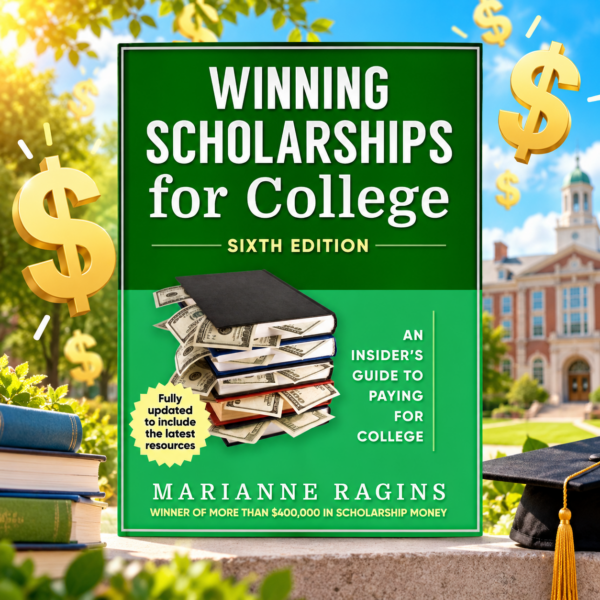
If you begin working on your answers to these questions now, you won’t have to start from scratch every time you find a new scholarship. By the way, questions 1 and 2 are two of the most common questions asked by scholarship organizations. Essays written for these questions are also great candidates for strategic recycling, which I explain later in this article and focus on extensively in The Scholarship & College Essay Planning Kit and The Scholarship and College Essay Writing Online Boot Camp.. What Is a Scholarship Essay Bank? A scholarship essay bank is simply a collection of essays, stories, examples, and ideas that you can refer to when completing future scholarship applications. Notice that I said refer to, not simply copy and paste. Every scholarship is different, so you should carefully read the question and tailor your response to the specific scholarship, organization, and prompt. But if you’ve already spent time thinking and writing about your leadership experiences, career goals, community service, challenges, accomplishments, and other important parts of your life, you’ll have a tremendous head start. For example, suppose you’ve already written a strong 500-word essay about a leadership experience. A scholarship application later asks you to describe leadership in 250 words. Instead of staring at a blank screen, you already have a story and examples you can work with. Your job becomes revising and tailoring instead of starting over, and that can save you a LOT of time. I call this strategic recycling for essays, and I cover how to do this in my book, Winning Scholarships for College. Start Collecting Your Stories You don’t have to write ten polished essays this week. Start by brainstorming experiences from your life that reveal something important about who you are, and write them down while you still remember the details.Think about experiences such as:
Don’t immediately dismiss an experience because you don’t think it’s “impressive enough.” Sometimes an ordinary experience told with specific details can reveal far more about a student than a long list of awards. Write Down the Details While They’re Fresh This is particularly important. You may think you’ll remember exactly what happened during a meaningful experience two or three months or even years from now, but you probably won’t. Keep notes about what happened, who was involved, what you did, how you felt, what was difficult, what you learned, how you changed, and what happened as a result. Use your cell phone to help you keep track of these details while they’re fresh. I use my Notes app constantly. It’s an easy way to quickly jot down experiences, ideas, accomplishments, and details you may want to use later. Numbers can also be extremely helpful. If you organized a food drive, how many items did you collect? If you volunteered, how many hours did you serve? If you started a project, how many people participated? If you raised money, how much did you raise? Specific details can help bring an essay to life. Organize Your Essay Bank Create folders on your computer or cloud drive so you can easily find what you’ve written. You might organize your essays into categories such as:
Never save over your original essay when you’re tailoring it for another scholarship. Save the new version under the name of the scholarship. Before long, you’ll have your own library of material to draw from. Remember Scholarship Essays Can Also Be College Application Essays There’s another benefit to starting your essay bank early. Many of the experiences you identify for scholarship essays can also help you generate ideas for college admissions essays, supplemental essays, honors college applications, leadership programs, internships, and other opportunities. Or you can strategically reuse parts of these essays. You should still answer each individual prompt carefully, but the work you do early can make several application processes easier later. Need Help Getting Beyond the Blank Page? If you don’t know how to turn your experiences into an essay, The Scholarship & College Essay Planning Kit was specifically designed to help students get beyond writer’s block. It includes tools for planning and organizing scholarship and college essays, responding to essay questions, writing about career goals and experiences, choosing topics, and determining how to make your experiences come alive for the reader. My book Winning Scholarships for College also includes detailed scholarship essay strategies and examples from my own successful scholarship search, along with step-by-step guidance for the scholarship application process. For students who want more hands-on guidance, The Scholarship and College Essay Writing Online Boot Camp helps students move from the blank page to writing essays that showcase their experiences, goals, leadership, service, and achievements. You can also browse my other scholarship books and resources for additional help with finding and winning scholarships and reducing college costs. For Students Already in College Don’t stop building your essay bank once you graduate from high school. Scholarships are available for current college students, transfer students, adult learners, and graduate students too. Continue adding experiences from college organizations and leadership, internships, research, jobs, volunteer service, study abroad, academic projects, career-related experiences, and challenges you’ve overcome in college. These experiences will become increasingly valuable as you apply for scholarships, internships, fellowships, graduate school, and other opportunities. For more strategies specifically for students who are already enrolled in college, Scholarships for College Students includes strategies for continuing your scholarship search after high school and finding opportunities related to your major, career goals, interests, and background. Final Thoughts The best time to start thinking about your scholarship essays isn’t the night before the deadline. It’s before you need them. Start collecting your stories now, write down the details, develop a few strong essays, and keep adding new experiences and accomplishments. Then, when you discover a scholarship with a deadline only a few weeks away, you won’t be staring at a blank page. You’ll already have something to work with. Scholarship Essay Resources for Parents, Counselors & TRIO ProgramsHelping several students prepare scholarship essays? Parents, school counselors, TRIO programs, GEAR UP programs, college access organizations, and other organizations working with college-bound students can use Marianne Ragins’ scholarship books, essay planning resources, workshops, and boot camps to help students organize their experiences, develop scholarship essays, and prepare competitive scholarship applications. 📚 Need additional guidance?
*We participate in Amazon Associates. Qualifying links may earn income. |